
A Quiet Night
Moonlight is a sculpture — Nathaniel Hawthorne
Moonlight is a sculpture — Nathaniel Hawthorne
Richardson, Texas | November, 2025 | Canon R50 + Sigma 17–50mm EF-S
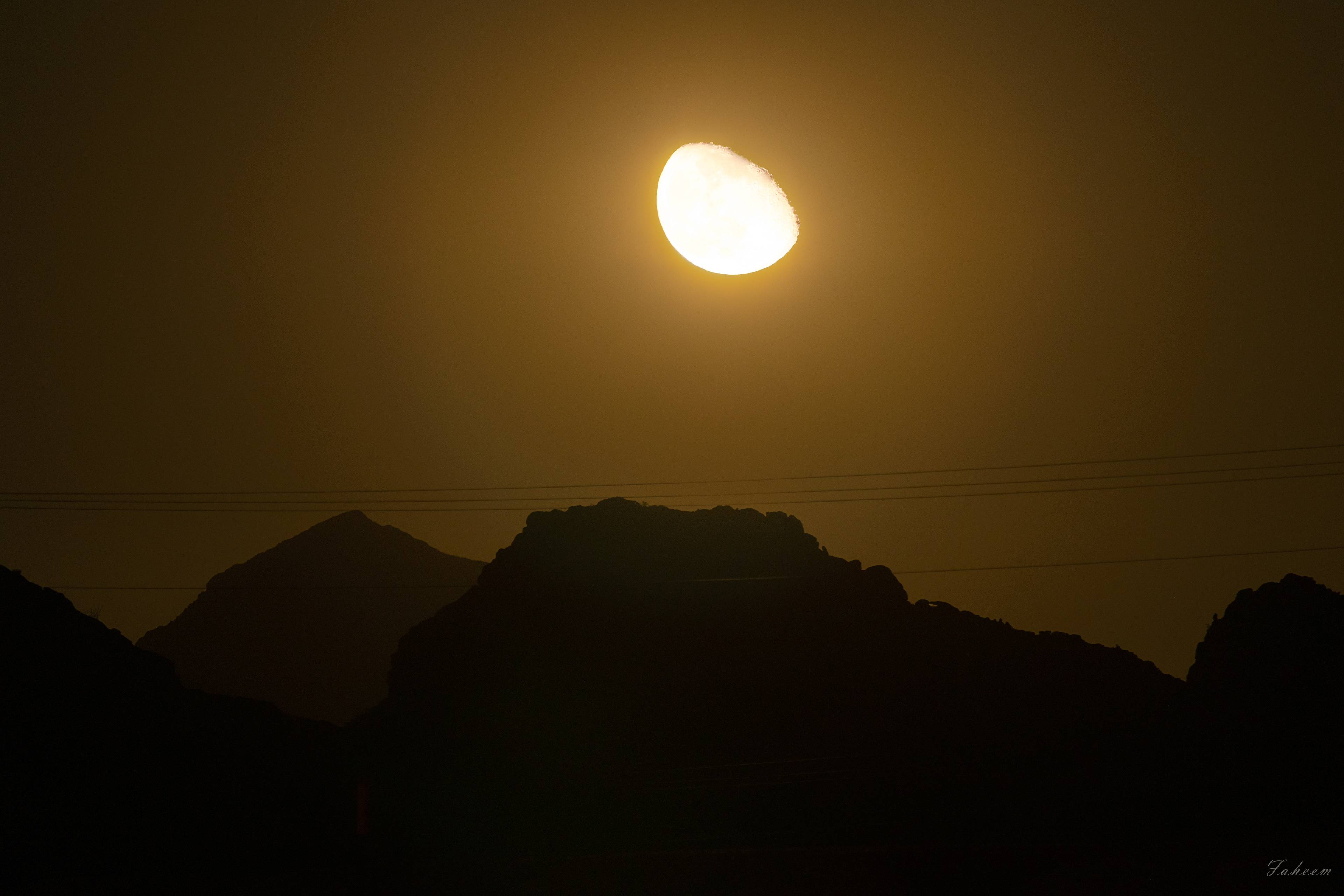
Moonrise Over Big Bend’s Endless Silence
Moonscape photography always makes me a bit nervous, unless it’s taken in daylight, when the light feels more balanced across the frame.
Big Bend, Texas | October 11, 2025 | Canon EOS R50 + Canon 250mm EF-S

Guardians of Yesterday
The past is never dead. It’s not even past. — William Faulkner
A small tribute to those who served, preserved, and built the stories that shaped our local heritage.
Sachse Museum, Texas | Canon R50 + 55-250mm EF-S (Long Exposure) | November 6, 2025
A small tribute to those who served, preserved, and built the stories that shaped our local heritage.
Sachse Museum, Texas | Canon R50 + 55-250mm EF-S (Long Exposure) | November 6, 2025

M33 — The Triangulum Galaxy
M33 has been a challenge for me. At first, I expected :) Its spiral arms stand out like those of M31, but M33 has much lower surface brightness. Its structure doesn’t reveal itself easily. So I studied more and pushed my processing to pull out as much detail as possible, from the bright core to the faint, fading outer arms.
One thing that surprised me was the number of pink H-II regions scattered across the galaxy, massive clouds of ionized hydrogen where new stars are forming. Seeing those pockets appear in the data felt like a small win.
I’m learning that M33 is all about balance: stretch too much, and you bring out detail but introduce noise; stretch too little, and you keep the image clean but lose those faint arms and nebulae. Finding that middle point is becoming part of the process.
Dallas / Fort Worth, Texas | November, 2025 | DWARF-3 , 729×60s Light Frames | Siril + Photoshop

Andromeda Galaxy - The Immense Neighbor
This is my second version of the Andromeda Galaxy. This time, I tried to portray the vastness of the Andromeda Galaxy.
The more I processed the data, the more I learned. This time, I didn’t apply any denoising or artificial sharpening. I only adjusted the colors and gently brought out the natural detail.
Dallas, Texas (Bortle 9) | November 2025 | DWARF-3 (EQ Mode), 30s-60s × multi-night light frames | Siril + HLVG + Adobe Photoshop
Astrobin: https://app.astrobin.com/i/u7il97
This is my second version of the Andromeda Galaxy. This time, I tried to portray the vastness of the Andromeda Galaxy.
The more I processed the data, the more I learned. This time, I didn’t apply any denoising or artificial sharpening. I only adjusted the colors and gently brought out the natural detail.
Dallas, Texas (Bortle 9) | November 2025 | DWARF-3 (EQ Mode), 30s-60s × multi-night light frames | Siril + HLVG + Adobe Photoshop
Astrobin: https://app.astrobin.com/i/u7il97
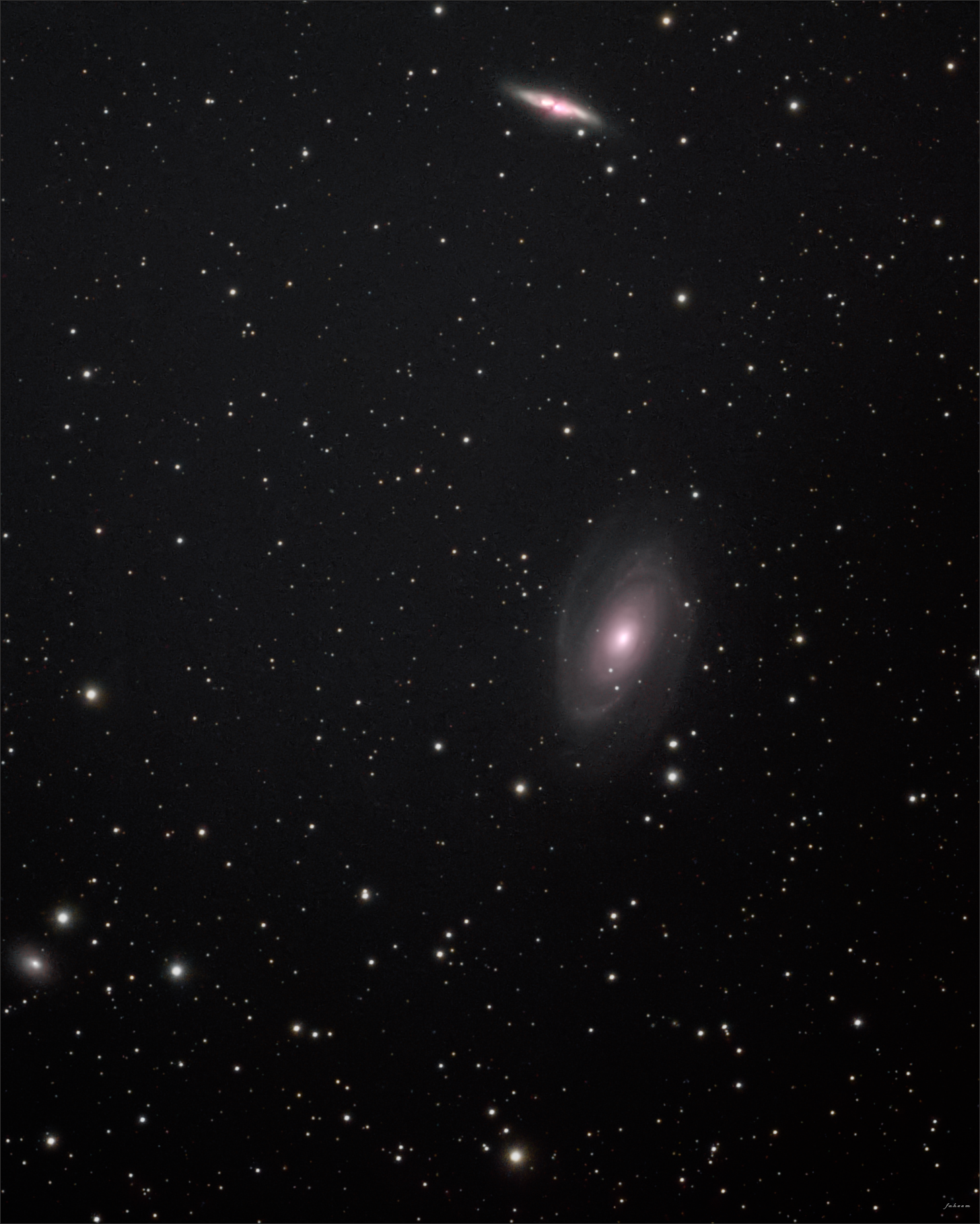
A Cosmic Tug of War - M81 & M82
M81 (Bode’s Galaxy) and M82 (the Cigar Galaxy) first caught my attention while reading the Messier catalog. Later, exploring the northern sky in Safari Pro, I learned that this region includes several galaxies, like NGC 3077 (bottom-left), that are drifting away from the Milky Way — a reminder of how much of the universe we may never reach.
Both M81 and M82 belong to the M81 Group, a cluster of about 34 galaxies engaged in long-term gravitational interaction.
Capturing them wasn’t easy. I had only one clear night; the Moon was 90% illuminated and almost at the zenith. I waited until it moved toward the western horizon, then collected 1000+ light frames at 15-second intervals with the DWARF-3, which can frame both galaxies together. For a single night under Bortle 9 skies, I’m happy with the result.
What fascinates me most is this:
M81’s gravity is actively pulling and distorting M82, giving it its cigar-like shape. :)
Exploration is in our nature. We began as wanderers — Carl Sagan
DWARF-3 | 1003 × 15-second subs, Gain 60 | Siril + Adobe Photoshop | Dec 2, 2025 | Dallas, Texas
M81 (Bode’s Galaxy) and M82 (the Cigar Galaxy) first caught my attention while reading the Messier catalog. Later, exploring the northern sky in Safari Pro, I learned that this region includes several galaxies, like NGC 3077 (bottom-left), that are drifting away from the Milky Way — a reminder of how much of the universe we may never reach.
Both M81 and M82 belong to the M81 Group, a cluster of about 34 galaxies engaged in long-term gravitational interaction.
Capturing them wasn’t easy. I had only one clear night; the Moon was 90% illuminated and almost at the zenith. I waited until it moved toward the western horizon, then collected 1000+ light frames at 15-second intervals with the DWARF-3, which can frame both galaxies together. For a single night under Bortle 9 skies, I’m happy with the result.
What fascinates me most is this:
M81’s gravity is actively pulling and distorting M82, giving it its cigar-like shape. :)
Exploration is in our nature. We began as wanderers — Carl Sagan
DWARF-3 | 1003 × 15-second subs, Gain 60 | Siril + Adobe Photoshop | Dec 2, 2025 | Dallas, Texas

Jewels of Sky and Earth
I captured this photo last night in my neighborhood park.
It felt like a beautiful assembly of nature’s jewels — both sky and earth.
You can see the Orion constellation shining on the right, Jupiter glowing golden near the horizon on the left, and of course, the star of the show: our Moon.
The Earth side of the frame is decorated with the graceful structure of winter trees, creating a sense of harmony between the ground beneath us and the sky above.
I later realized the composition is a bit tight; a wider lens would have given everything more breathing room. But this was a phenomenal moment I witnessed, and I wanted to share it as it was.
It felt like a beautiful assembly of nature’s jewels — both sky and earth.
You can see the Orion constellation shining on the right, Jupiter glowing golden near the horizon on the left, and of course, the star of the show: our Moon.
The Earth side of the frame is decorated with the graceful structure of winter trees, creating a sense of harmony between the ground beneath us and the sky above.
I later realized the composition is a bit tight; a wider lens would have given everything more breathing room. But this was a phenomenal moment I witnessed, and I wanted to share it as it was.
Breckinridge Park, Richardson, Tx | 12/06/2025 | Canon R50 + Sigma 17-50mm EF-S

The Long Night
This wasn’t a clean low-light night shot, but I loved the mood of that moment and felt it was worth sharing.
The full Moon was rising, and its light caught the mountain peaks.
Earlier, before the Moon moved closer and began washing out the sky, I captured the Milky Way in the opposite direction.
I took the mountain photo in moonlight as the moon rose.
Both frames were later stacked and blended in Adobe Photoshop to preserve the scene's character.
Big Bend National Park, Texas | October, 2025 | Canon R50 + Sigma 17-50mm EF-S
The full Moon was rising, and its light caught the mountain peaks.
Earlier, before the Moon moved closer and began washing out the sky, I captured the Milky Way in the opposite direction.
I took the mountain photo in moonlight as the moon rose.
Both frames were later stacked and blended in Adobe Photoshop to preserve the scene's character.
Big Bend National Park, Texas | October, 2025 | Canon R50 + Sigma 17-50mm EF-S
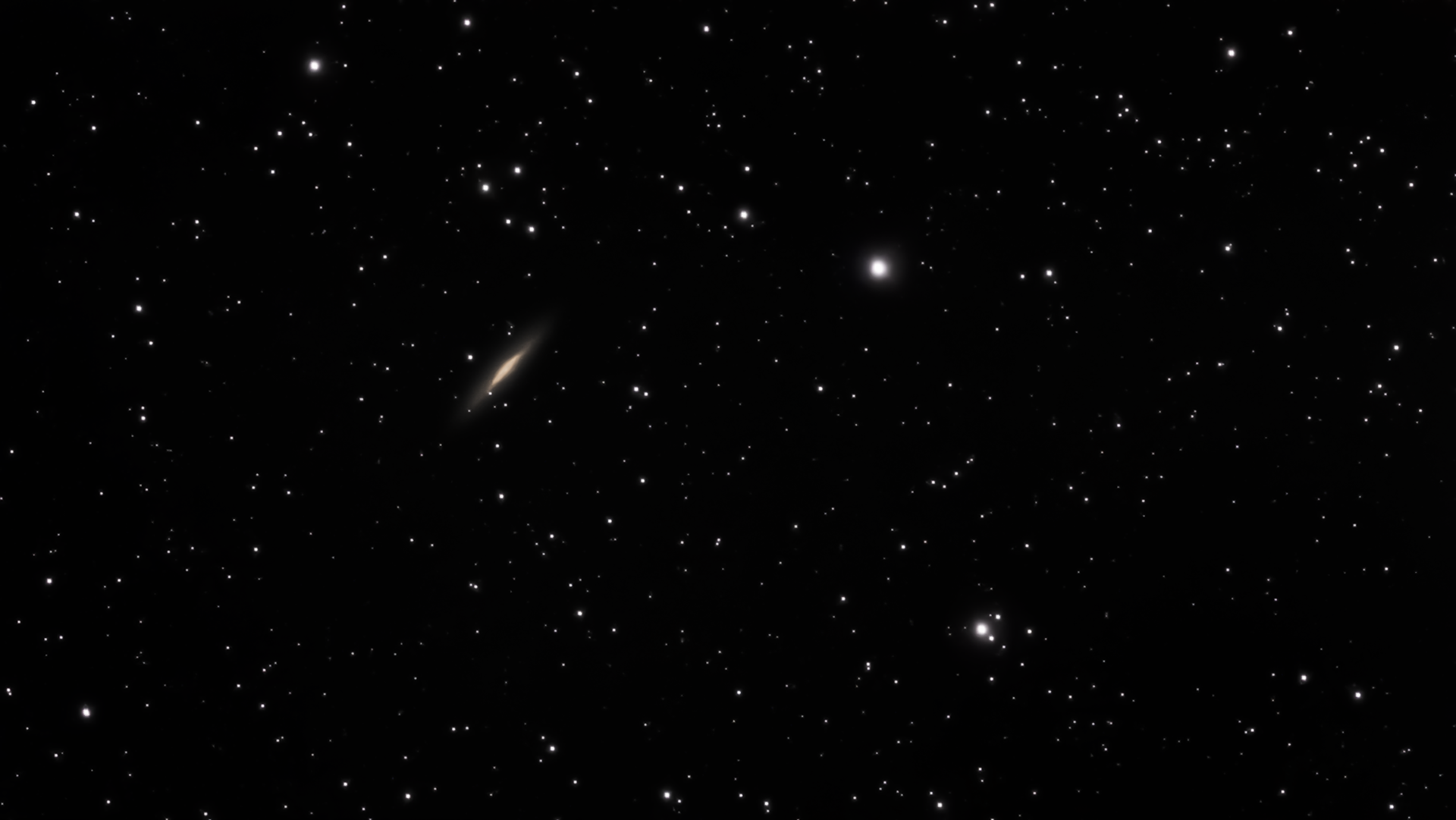
The UFO Galaxy — NGC 4565
This target caught my attention because of its name. As I learned more, I discovered it’s slowly drifting away from us, carried by the expansion of the universe.
- This is NGC 4565, nicknamed the UFO Galaxy for its razor-thin, edge-on disk that resembles a flying saucer.
- Located 30–50 million light-years away, the light in this image began its journey millions of years ago.
- Every second, the distance between us and this galaxy grows—quietly, endlessly.
December 2025 | Dallas, Texas | DWARF-3 | Astro Filter | Single Night - 619 Light Frames (10s x 120g) | Siril + Adobe Photoshop
This target caught my attention because of its name. As I learned more, I discovered it’s slowly drifting away from us, carried by the expansion of the universe.
- This is NGC 4565, nicknamed the UFO Galaxy for its razor-thin, edge-on disk that resembles a flying saucer.
- Located 30–50 million light-years away, the light in this image began its journey millions of years ago.
- Every second, the distance between us and this galaxy grows—quietly, endlessly.
December 2025 | Dallas, Texas | DWARF-3 | Astro Filter | Single Night - 619 Light Frames (10s x 120g) | Siril + Adobe Photoshop

Jupiter Watched the Wolf Moon
Stacked image of the first full moon of 2026—also known as the Wolf Moon—captured alongside Jupiter and part of the Orion constellation.
I photographed the sky elements separately—the Moon, stars, Jupiter, and Orion—and later stitched them together in Adobe Photoshop to preserve detail and visual balance across the scene.
This was the first time I was able to clearly see Jupiter’s moons through my Canon 55–250mm lens. The result isn’t perfect, but the experience itself was enriching.
The second last frame shows the Moon and Jupiter at 250mm.
You can scroll to see all the images.
01/03/2026 | Breckinridge Park, Richardson, Texas | Canon R50 +(Canon 55-250mm + Sigma 17-50mm)

The Night’s Breath
That day, the moon was 90% full on the left side, and I used its light to illuminate the foreground. And Fog rising from the lake's left side adds a softer, lighter feel.
Breckinridge Park, Richardson, Texas | December 2025 | Canon R50 + Rokinon 12mm f2.8

A Moving Star Inside the Flaming Star Nebula (IC 405)
What draws me to the Flaming Star Nebula is the way its structure seems to flow outward from the central star. The soft green glow near the center feels like an ignition point, while the surrounding red hydrogen clouds ripple and spread away—almost as if the star is slowly carving its path through space.
This nebula is enormous. From Earth, it appears about 37 by 19 in size, and it is located roughly 1,500 light-years away, meaning the light we see tonight began its journey long before human history. The glowing cloud itself stretches nearly 5 light-years across.
The Moving Star:
Scientists believe the bright star at the center was not always here. Long ago, it likely traveled from near Orion’s Belt, moving through space and shaping the glowing gas around it. As the star moved, its energy lit up the clouds—much like a moving light leaving a glowing trail behind.
What looks calm and still in the image is actually a story of motion, energy, and change unfolding over thousands of years.
I tried to control the noise, technically. I should spend more time integrating, but I photographed it for educational purposes.
Dallas, Texas | November–December 2025 | Bortle 7–8 | DWARF-3 | 4 nights | Lights: 60s × 120 (800 Frames) | Darks Applied | Siril | Adobe Photoshop
What draws me to the Flaming Star Nebula is the way its structure seems to flow outward from the central star. The soft green glow near the center feels like an ignition point, while the surrounding red hydrogen clouds ripple and spread away—almost as if the star is slowly carving its path through space.
This nebula is enormous. From Earth, it appears about 37 by 19 in size, and it is located roughly 1,500 light-years away, meaning the light we see tonight began its journey long before human history. The glowing cloud itself stretches nearly 5 light-years across.
The Moving Star:
Scientists believe the bright star at the center was not always here. Long ago, it likely traveled from near Orion’s Belt, moving through space and shaping the glowing gas around it. As the star moved, its energy lit up the clouds—much like a moving light leaving a glowing trail behind.
What looks calm and still in the image is actually a story of motion, energy, and change unfolding over thousands of years.
I tried to control the noise, technically. I should spend more time integrating, but I photographed it for educational purposes.
Dallas, Texas | November–December 2025 | Bortle 7–8 | DWARF-3 | 4 nights | Lights: 60s × 120 (800 Frames) | Darks Applied | Siril | Adobe Photoshop

Spring Finds Its Way
While walking in a Garland park, the moon was framed by fresh leaves in a calm, vibrant way. Everything felt perfectly aligned or connected.
What a beautiful world we live in!
First Quarter Moon: A 50% illuminated moon, its first quarter, half in light, half in shadow.
Canon T3i + Canon 55-250mm EF-S | March, 2026
While walking in a Garland park, the moon was framed by fresh leaves in a calm, vibrant way. Everything felt perfectly aligned or connected.
What a beautiful world we live in!
First Quarter Moon: A 50% illuminated moon, its first quarter, half in light, half in shadow.
Canon T3i + Canon 55-250mm EF-S | March, 2026

No Darkness

July 29th, 2026
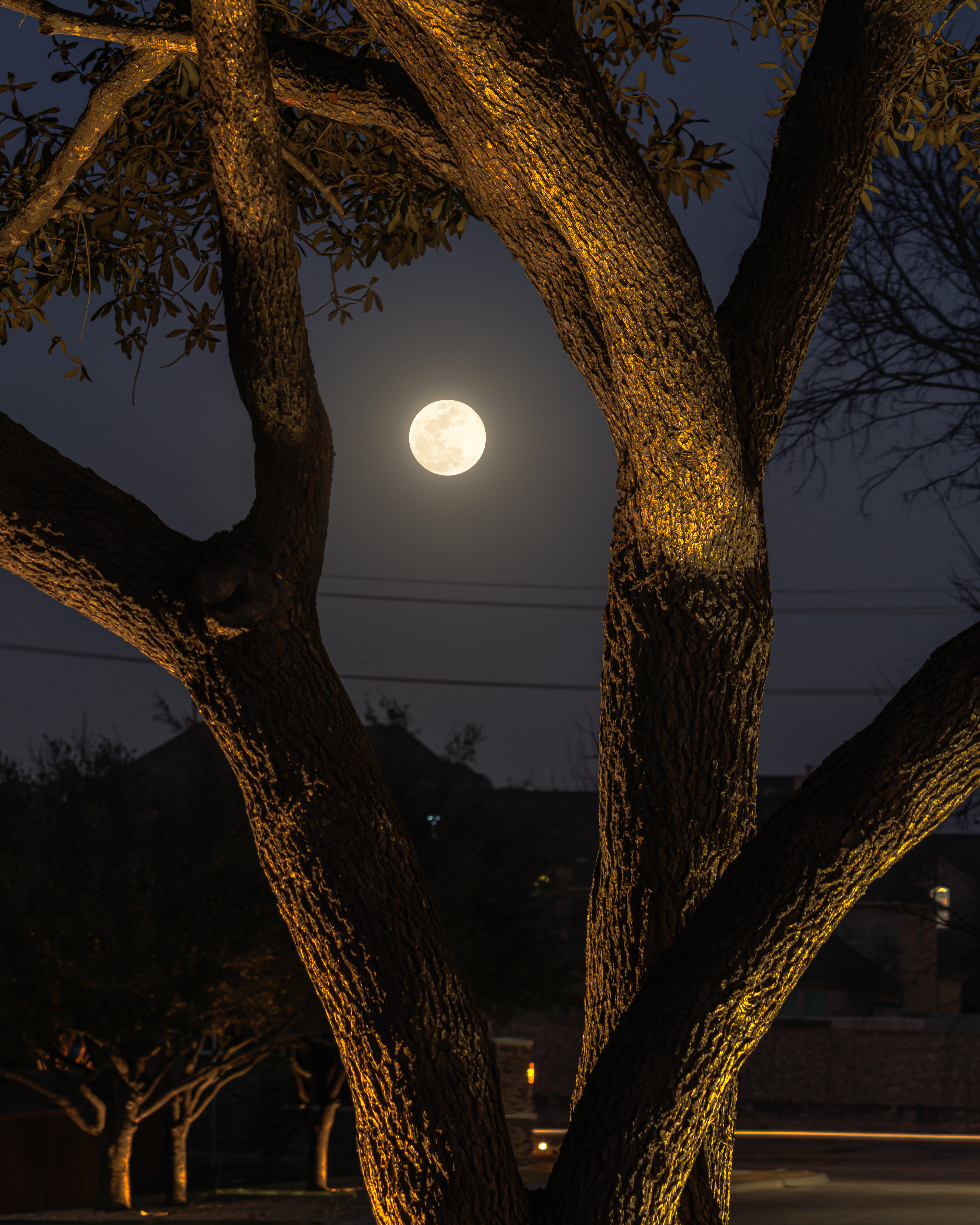
Seen From Home

Moon, Mars & the Pleiades Before Dawn (July 11, 2026)

Orion Nebula (February 2026)

Framed


Painting

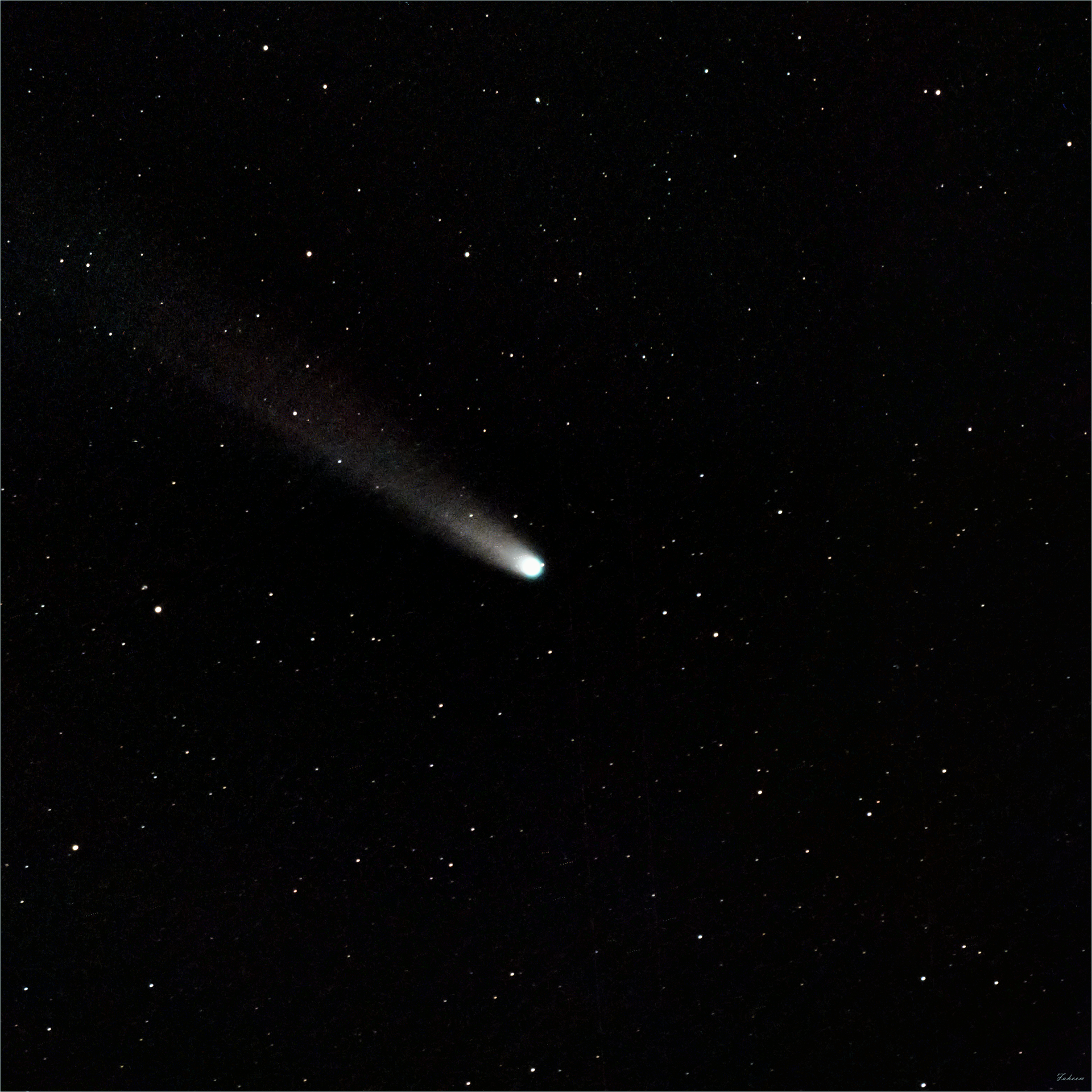


Mist Meets Night


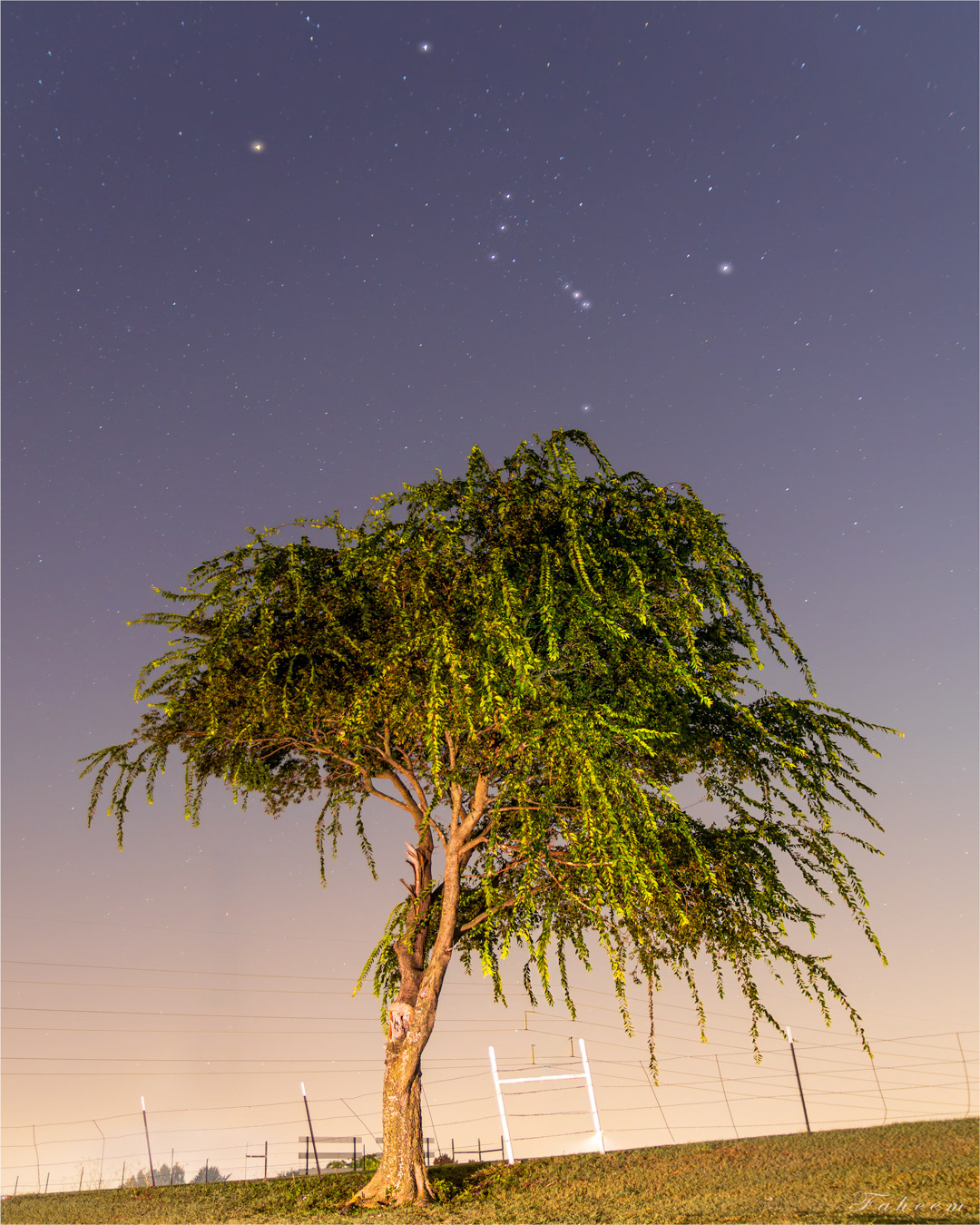

Sky & Earth
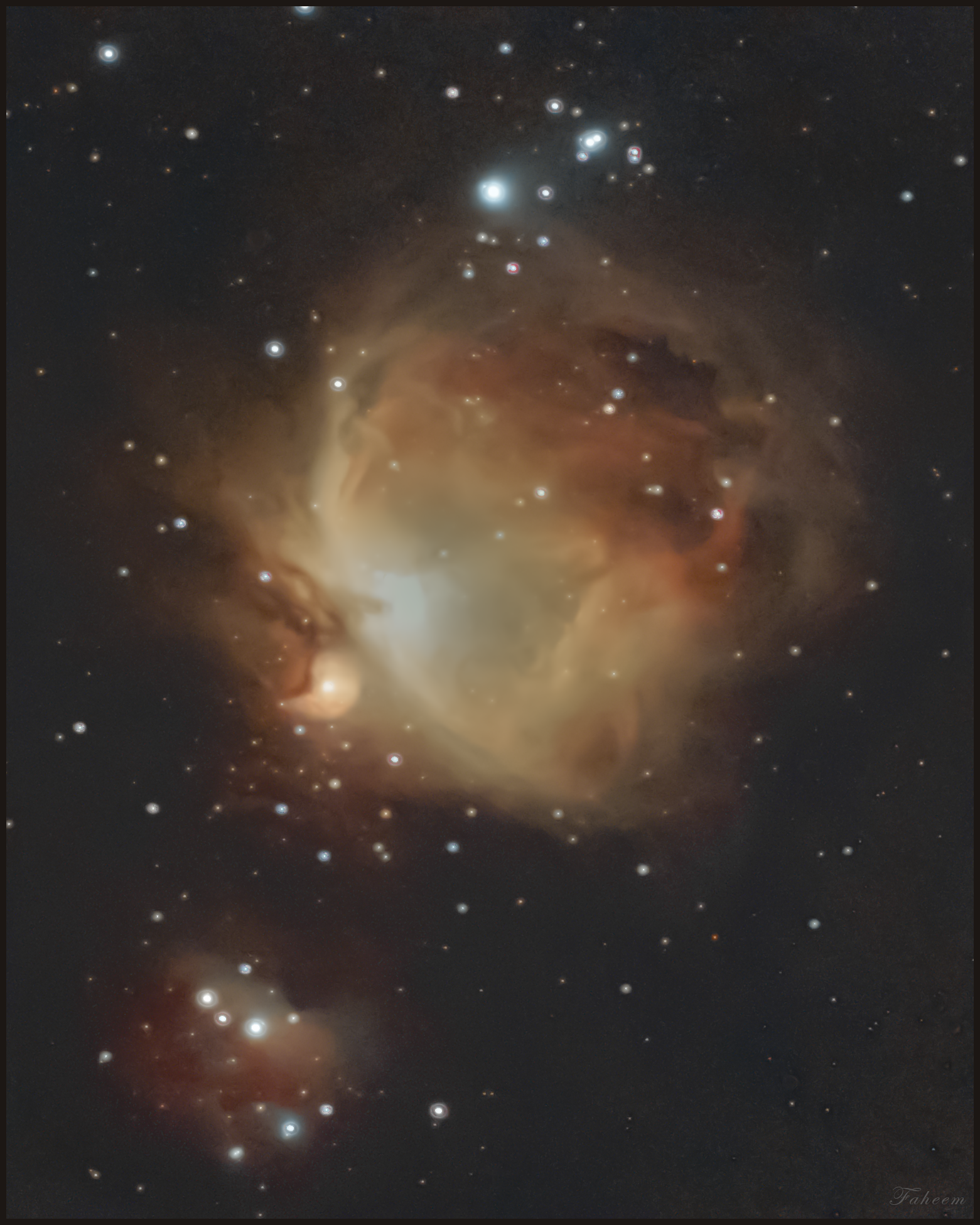

Still

A Lunar–Pleiades Conjunction (12302025)

Two Lights, One Night


